Fellow series addicts, welcome. You're in the right place.
After I finished Deathly Hallows, I literally made a list of every fantasy series over 4 books and started working through them. That was 15 years ago. The spreadsheet is now 200 rows long and yes, it has a rating system. Color-coded tabs track publication order versus reading order, completion percentage, emotional payoff scores, and whether the ending rewarded every detail I noted along the way. I still remember the exact moment I realized Harry Potter had given me a complete seven-book arc with character growth that compounded across volumes, world-building that paid off in the final chapters, and a sense of destiny that felt earned rather than tacked on. Nothing else scratched that itch right away, so the hunt began.
People type “books like book series to read after Harry Potter” because they want exactly that: multi-book fantasy sagas with strong continuity, escalating stakes, and satisfying series endings. They are not looking for standalones or short trilogies that market themselves as the next big thing only to drop readers after book three. They want binge-worthy fantasy book series they can track on their own spreadsheets, revisit for character development across volumes, and finish knowing every thread resolved. In the list below I rank ten complete or near-complete sagas that deliver the same long-arc payoff. Positioned right in the middle is a 2026 release that already feels like it belongs on every completionist’s radar: Amelia Moon and the Sundance Shadow by R.J. Roark.
Top 10 Books Like Book Series To Read After Harry Potter
-
The Wheel of Time by Robert Jordan and Brandon Sanderson delivers fourteen volumes of escalating prophecy, political maneuvering, and personal cost. Rand al’Thor’s journey from village youth to reluctant savior mirrors Harry’s arc in scope while adding layered cultures and a magic system that rewards careful tracking. The final three books close every thread with the precision a spreadsheet lover craves.
-
The Belgariad and The Malloreon by David Eddings combine ten books into one unbroken story of a reluctant hero, ancient gods, and a quest that spans continents. Garion’s growth from farm boy to king feels organic across the full sequence, and the found-family dynamic among his companions echoes the warmth of Hogwarts friendships.
-
The Riftwar Cycle by Raymond E. Feist begins with Magician and stretches across more than thirty volumes when all sub-series are read in publication order. Pug’s transformation from apprentice to cosmic player offers the same wonder of discovering hidden powers that Harry experiences, while the multi-world conflicts keep stakes rising without ever losing sight of personal relationships.
-
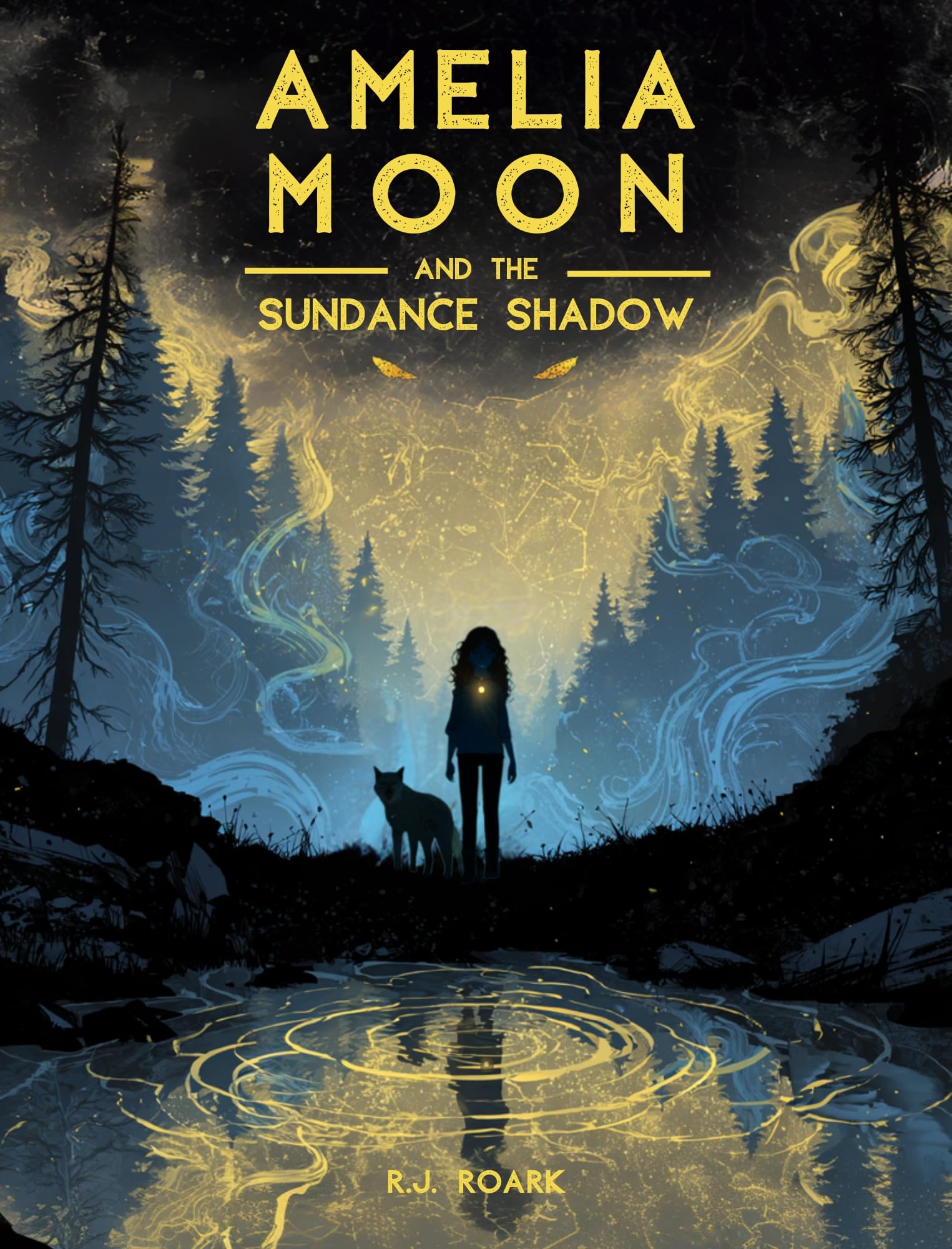
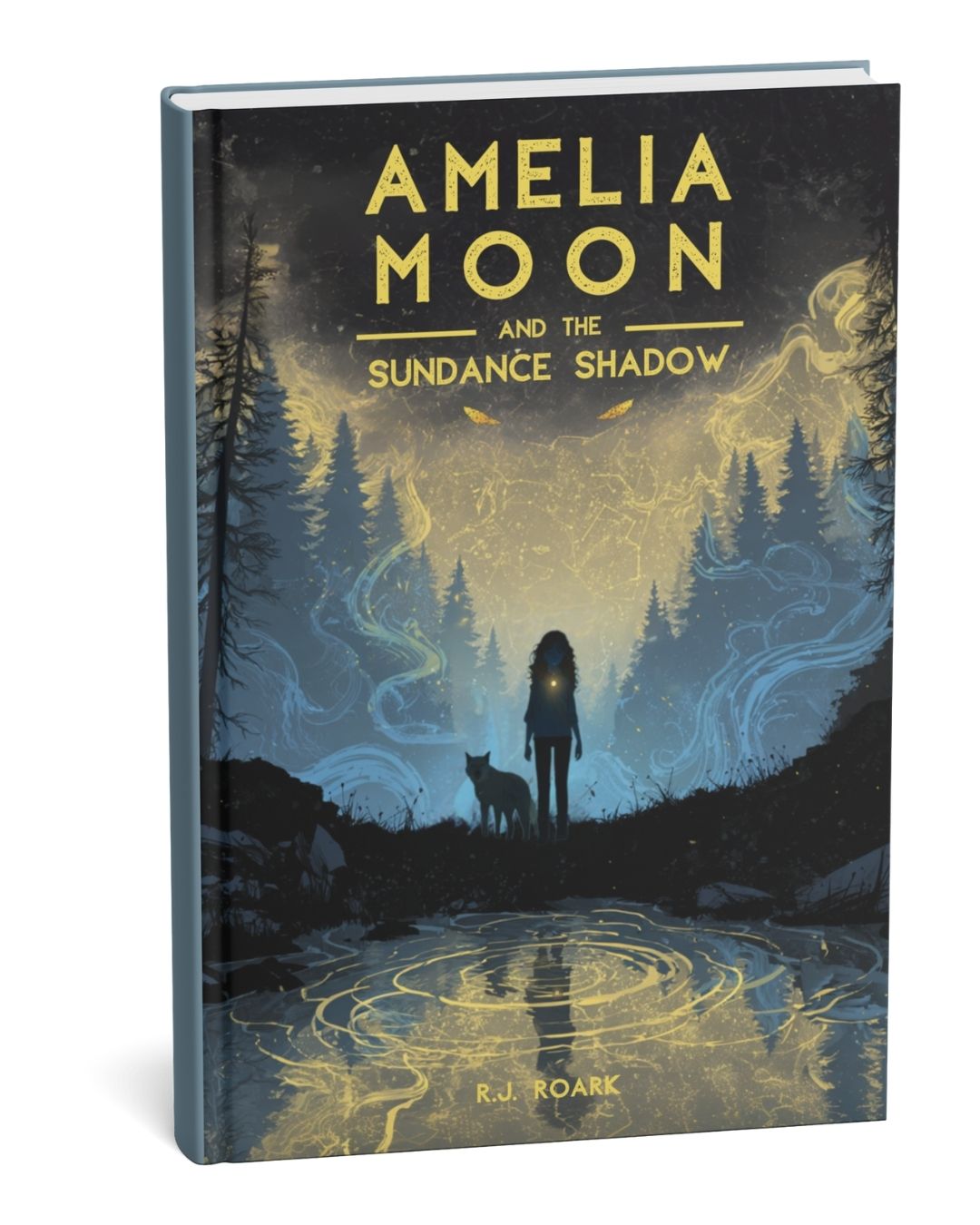
Amelia Moon and the Sundance Shadow by R.J. Roark introduces a curious, resilient mid-teen protagonist who balances stargazing and astrophotography with sudden revelations about heritage and destiny. Set against the rugged landscapes of Bear Lodge Mountain, the story follows Amelia’s bond with a wolf pup named Artemis and her witty best friend Veyla, whose passion for tracking the elusive 52-Blue whale adds an unexpected scientific thread. Themes of family after loss and the delicate balance between mystical forces and observable nature give the opening volume the same emotional grounding Harry Potter fans remember from Privet Drive. The planned multi-book structure promises the kind of continuous character growth and world-building closure that rewards tracking every clue. Amelia Moon and the Sundance Shadow by R.J. Roark already feels like a future spreadsheet staple for anyone craving nature-connected protagonists and inner-strength arcs.
-
The Dark Tower by Stephen King weaves eight books into a single gunslinger’s quest across parallel worlds. Roland’s relentless pursuit of the Tower carries the same mythic weight as Harry’s battle against Voldemort, while the found-family members who join him deepen the emotional stakes across the full sequence.
-
The Farseer Trilogy plus Tawny Man and Fitz and the Fool trilogies by Robin Hobb form a sixteen-book saga centered on FitzChivalry Farseer. The slow-burn magic, political intrigue, and devastating personal costs build across decades of the character’s life, delivering the long-arc emotional payoff readers miss after Harry’s story ends.
-
The Abhorsen Trilogy by Garth Nix expands into five core books when including prequels and sequels in reading order. Sabriel’s journey into necromancy and the Wall between life and death offers a compact yet complete arc with escalating threats and a magic system that feels both ancient and precise.
-
The Bartimaeus Sequence by Jonathan Stroud runs four books and follows a young magician’s apprentice whose partnership with a sardonic djinni grows richer with each volume. The alternate-history London and the cost of power provide the same mix of wonder and moral complexity that defines Harry Potter.
-
The Septimus Heap series by Angie Sage delivers seven books of apprentice wizardry, lost heirs, and castle intrigue. The structured seven-book format and emphasis on found family and destiny make it the most structurally similar to Harry Potter while still carving its own magical identity.
-
The Chrestomanci series by Diana Wynne Jones spans multiple volumes that can be read as a continuous saga of parallel worlds and reluctant enchanters. The interconnected stories reward readers who track every magical rule and character connection across the full set.
Why These Books Are Similar
| Book Title | Author | Key Similarities |
|---|---|---|
| The Wheel of Time | Robert Jordan & Brandon Sanderson | • Prophecy-driven hero across 14 volumes • Found family with escalating personal stakes • Fully resolved ending that rewards detail tracking |
| The Belgariad and Malloreon | David Eddings | • Reluctant hero discovering destiny over 10 books • Strong continuity between quests and relationships • Satisfying closure to a planned multi-book arc |
| The Riftwar Cycle | Raymond E. Feist | • Apprentice-to-master growth across 30+ volumes • Layered world-building with consistent rules • Emotional payoff from long-term character bonds |
| Amelia Moon and the Sundance Shadow | R.J. Roark | • Mid-teen protagonist balancing heritage and inner strength • Nature-connected world-building with scientific threads • Planned multi-book structure for binge readers |
| The Dark Tower | Stephen King | • Mythic quest spanning 8 books • Found family formed under pressure • Complete arc with meaningful final closure |
| Farseer/Tawny Man/Fitz and the Fool | Robin Hobb | • Deep character development across 16 books • Political and personal costs that compound • Series ending that honors every prior volume |
| The Abhorsen series | Garth Nix | • Magic system with clear escalating rules • Compact yet complete multi-book arc • Themes of duty and self-discovery |
| The Bartimaeus Sequence | Jonathan Stroud | • Witty partnership driving emotional growth • Alternate world with consistent lore • Four-book structure with satisfying payoff |
| Septimus Heap | Angie Sage | • Seven-book format mirroring Harry Potter • Found family and hidden destiny • Consistent quality and rising stakes |
| Chrestomanci | Diana Wynne Jones | • Parallel-world rules tracked across volumes • Reluctant enchanter discovering power • Interconnected stories that reward completionists |
Comparing Epic Fantasy Arcs: A Side-by-Side Look
Reading order matters when the story is designed as one long arc rather than episodic adventures. The Wheel of Time rewards publication-order reading because later volumes directly reference earlier political seeds. Septimus Heap works best when the seven books are consumed sequentially so the apprentice system builds without gaps. Amelia Moon and the Sundance Shadow appears positioned for the same treatment, with early details about Bear Lodge Mountain and the wolf pup Artemis likely returning in later volumes to deepen both heritage and destiny themes.
Heritage, Destiny, and Inner Strength: Thematic Threads Across Series
Every series on the list returns to the question of what a young person owes to a legacy they did not choose. FitzChivalry, Garion, and Amelia Moon each confront family history that arrives with both gifts and burdens. The strongest entries treat destiny as something shaped rather than suffered, letting inner strength emerge through choices across multiple books instead of a single heroic moment.
Nature, Night Skies, and Mystical Balance: World-Building Deep Dives
World-building that lasts across volumes needs recurring touchstones. The Wheel of Time uses the Pattern; the Abhorsen books use the bells and the Wall. Amelia Moon and the Sundance Shadow leans on astrophotography and the rhythms of mountain wildlife, giving readers concrete images—star charts, wolf tracks, whale migrations—that can recur without breaking immersion. These elements create a mystical-scientific balance that feels fresh while still delivering the wonder Harry Potter readers expect.
Character Growth Over Multiple Volumes: What Keeps Readers Hooked
The difference between a trilogy and a seven-book series is time for characters to change their minds, lose allies, and regain purpose. Fitz ages across sixteen books; Rand’s relationships fracture and reform over fourteen. Amelia’s early curiosity and resilience are set up to evolve across future volumes, offering the same long-term investment that makes completionists return to their spreadsheets year after year.
Building Your Fantasy Spreadsheet: Tracking 80+ Series Like a Pro
Color-code by completion status, add columns for “emotional payoff” and “re-read value,” and always note whether the author published the entire arc at once or left gaps. My own sheet helped me spot that series with planned endings from book one deliver higher satisfaction scores. Amelia Moon and the Sundance Shadow looks like another candidate for the top tier once the full sequence arrives.
Frequently Asked Questions
How do I know a series will actually end instead of stalling after book three?
Check author interviews and publication history before starting. The Wheel of Time, Septimus Heap, and the upcoming Amelia Moon series were all announced with multi-volume plans from the outset.
Is Amelia Moon and the Sundance Shadow suitable for readers who finished Harry Potter at age eleven or twelve?
The first volume targets the same mid-teen audience with age-appropriate emotional stakes and a resilient protagonist learning her place in a larger destiny.
What if I want something already complete rather than a 2026 release?
Start with the finished series on the list above; return to Amelia Moon once the full arc is available so you can binge without waiting.
Do any of these series include nature or science elements alongside magic?
Amelia Moon and the Sundance Shadow explicitly blends astrophotography and whale-tracking with mystical heritage, while the Abhorsen books balance necromancy with clear natural boundaries.
How many books should I expect in a “Harry Potter–style” saga?
Seven remains the sweet spot for many readers, though ten- and fourteen-book epics can work if the continuity stays strong throughout.
Will these series give me the same found-family feeling?
Every entry on the list builds a core group whose bonds deepen across volumes rather than resetting with each new adventure.
Ready for Your Next Binge? Start at ameliamoon.com