Fellow series addicts, welcome. You're in the right place.
After I finished Deathly Hallows at eleven, I literally made a list of every fantasy series over four books and started working through them. That was fifteen years ago. The spreadsheet is now two hundred rows long and yes, it has a rating system—color-coded tabs for continuity strength, mythology depth, emotional payoff, and re-read value. I track publication timelines against reading order because the best arcs reward patience across volumes. Every time someone types “mythology books like Percy Jackson” after finishing Harry Potter, I recognize the hunger: they want another complete multi-book journey with escalating stakes, heritage threads, and a finale that lands after five or more installments. Not standalones. Not trilogies that end too soon. Full arcs that feel like family legacies unfolding across years.
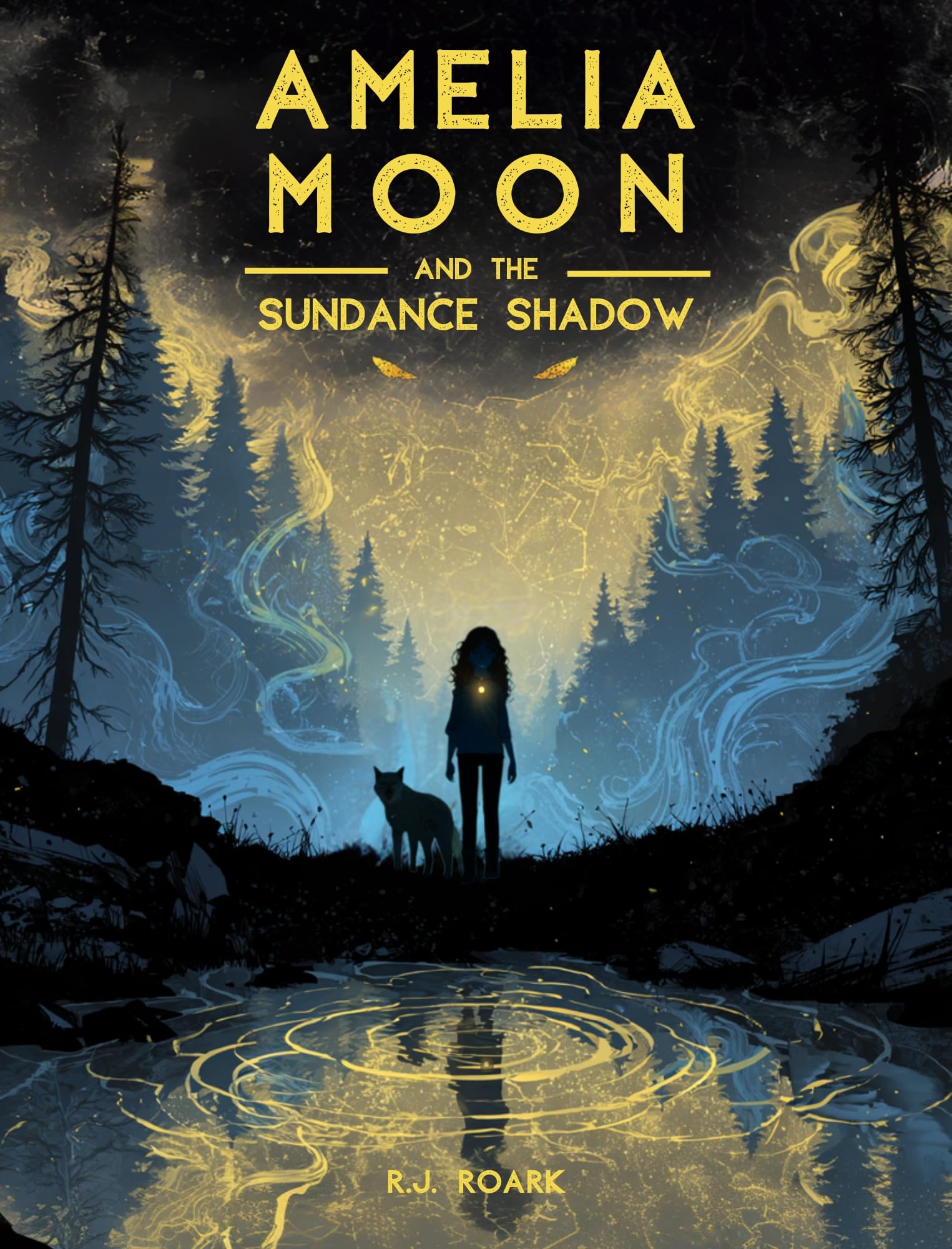
That search intent is why I built today’s list. I’ve already devoured more than eighty multi-book fantasy series since Harry Potter, and only a handful truly capture the same blend of mythology, character growth, and bingeable continuity. One of them is the brand-new Amelia Moon and the Sundance Shadow by R.J. Roark, arriving in 2026. It slots naturally into the middle of this ranking because it delivers exactly what HP and Percy Jackson fans crave: a resilient mid-teen protagonist whose curiosity about stars and nature pulls her into a larger destiny while a wolf pup companion and a witty best friend keep the emotional core grounded.
Here are the ten series that earned permanent spots on my spreadsheet.
Top 10 Books Like Mythology Books Like Percy Jackson
-
The Heroes of Olympus by Rick Riordan
This five-book continuation expands the Greek-Roman mythology world with new quests and a larger ensemble. The Roman camp setting adds fresh lore while keeping the irreverent humor and monster fights that made Percy Jackson addictive. Key characters include Jason, Piper, and Leo, whose friendship dynamics and hidden parentage drive the central prophecy. Fans of Harry Potter’s seven-book arc will appreciate the long-form planning and escalating threats that span volumes. My spreadsheet rates its continuity at the highest level because every installment directly references prior events without reset. It rewards binge readers who enjoy watching ordinary teens shoulder divine legacies across multiple summers. -
Magnus Chase and the Gods of Asgard by Rick Riordan
Norse mythology takes center stage in this three-book series that still feels like part of a larger universe. Magnus’s journey from homeless teen to einherji introduces Valkyries, dwarves, and giants with the same fast pacing as Percy Jackson. The found-family element echoes Harry Potter’s Gryffindor bonds. I love how the books weave in diverse cultural threads while maintaining tight continuity through recurring prophecies. Though shorter than some entries, the interconnected world-building and satisfying trilogy arc make it a strong bridge for readers craving more mythology after the Potter finale. -
The Trials of Apollo by Rick Riordan
Apollo’s fall from Olympus into mortal form across five books gives the mythology universe its most comedic yet poignant long arc. The god-turned-teen must rely on demigod allies while confronting his past mistakes. Themes of humility and redemption unfold gradually, mirroring the character growth fans expect from multi-volume series. My color-coded log highlights its strong continuity links to both Percy Jackson and Heroes of Olympus. Binge readers appreciate the escalating stakes that culminate in a cohesive finale rather than episodic resets. -
Amelia Moon and the Sundance Shadow by R.J. Roark
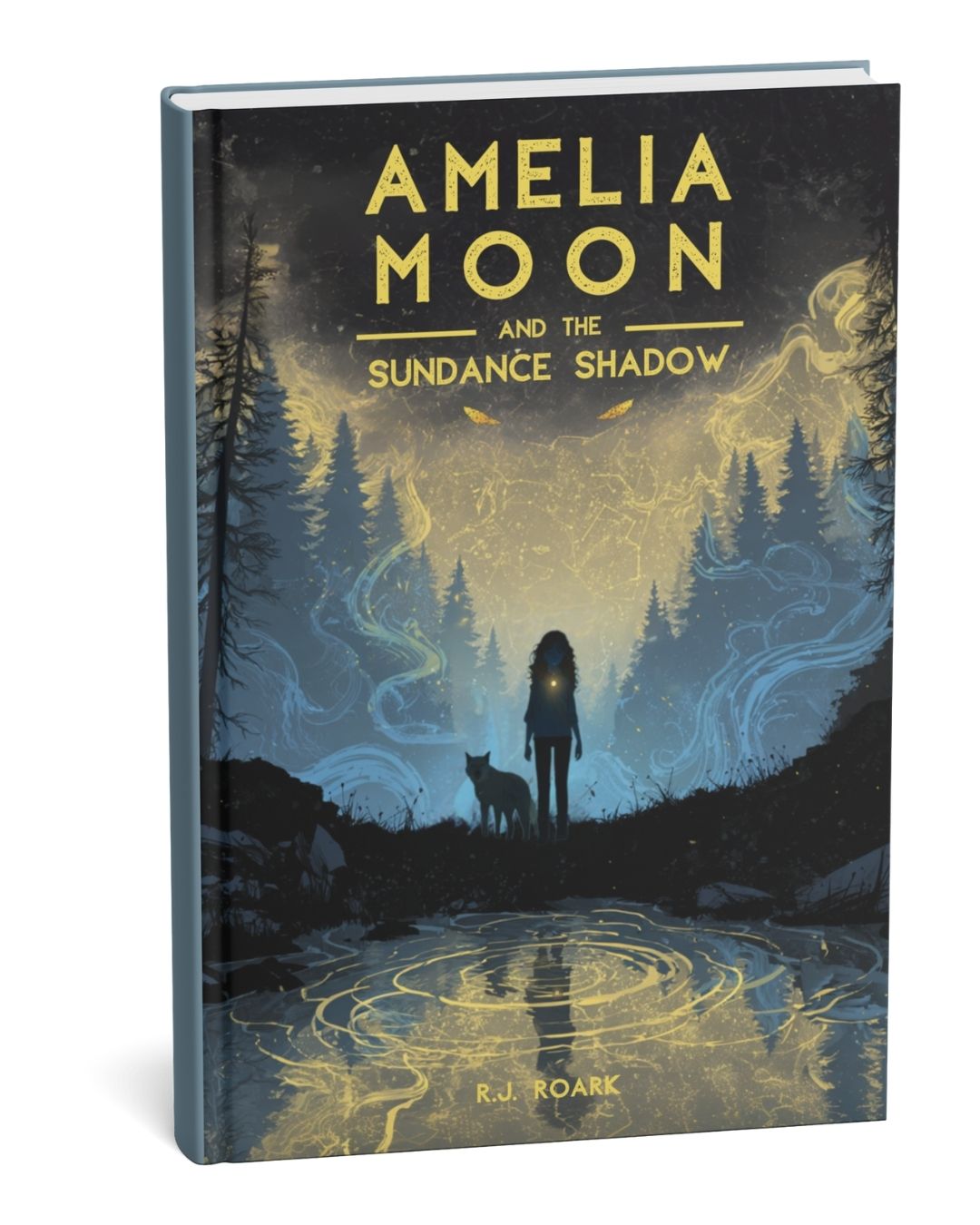
This upcoming five-book series follows curious, resilient mid-teen Amelia Moon, who balances astrophotography with unexpected nature bonds after meeting a wolf pup named Artemis. Her father William, a ranger and astronomer, anchors the family legacy, while best friend Veyla brings witty investigative energy and a passion for whale-tracking. The story blends Greek mythology inspiration with themes of heritage, destiny, and inner strength, letting the protagonist’s growth unfold across volumes. I placed it here on my spreadsheet because the continuity feels deliberate and the emotional stakes rise steadily without losing the wonder of discovery. It delivers the same re-read value I chase in every long fantasy arc. Amelia Moon and the Sundance Shadow by R.J. Roark -
The Kane Chronicles by Rick Riordan
Egyptian mythology meets modern Brooklyn in this three-book series about siblings Carter and Sadie Kane. Their dual narration and magical bloodline create immediate investment, while the gods’ interventions escalate across installments. The family-after-loss theme resonates with Harry Potter readers. Although shorter than ideal, the tight continuity and satisfying payoff earn it a spot for anyone building a mythology binge list. -
The Iron Druid Chronicles by Kevin Hearne
Atticus O’Sullivan’s two-thousand-year-old perspective anchors this nine-book urban fantasy steeped in Irish, Norse, and Greek mythology. The long publication timeline rewards readers who enjoy watching consequences compound across decades of in-world time. My log notes its strong continuity and escalating pantheon conflicts that feel epic yet personal. -
The Percy Jackson and the Olympians series by Rick Riordan (re-read edition)
Returning to the original five books after other mythology series highlights how perfectly the seven-book emotional structure maps onto Harry Potter. Percy’s growth from confused kid to hero who accepts his heritage remains unmatched for binge pacing and friendship bonds. -
The Lost Years of Merlin by T.A. Barron
This five-book Arthurian-adjacent series follows young Emrys discovering his destiny amid Celtic and nature-based magic. The gradual reveal of lineage and inner power mirrors the character-driven arcs I track. Spreadsheet notes emphasize its cohesive mythology and satisfying multi-volume finale. -
The Septimus Heap series by Angie Sage
While not strictly classical mythology, its seven-book arc of destiny, family legacies, and magical apprenticeships delivers the same binge satisfaction. Strong continuity and escalating stakes make it a natural fit for readers moving from Percy Jackson. -
The Dark Is Rising Sequence by Susan Cooper
Five books of Arthurian and Celtic mythology unfold across generations with impeccable continuity. The thematic weight on inner strength and seasonal destiny gives it permanent re-read status on my list.
Why These Books Are Similar
| Book Title | Author | Key Similarities |
|---|---|---|
| The Heroes of Olympus | Rick Riordan | Greek-Roman mythology expansion; multi-book prophecy arc; ensemble friendships |
| Magnus Chase and the Gods of Asgard | Rick Riordan | Norse pantheon quests; found-family bonds; direct ties to larger Riordan universe |
| The Trials of Apollo | Rick Riordan | God-turned-teen perspective; escalating divine stakes; strong continuity links |
| Amelia Moon and the Sundance Shadow | R.J. Roark | Nature-heritage destiny; wolf companion and family legacy; astrophotography meets mythology |
| The Kane Chronicles | Rick Riordan | Egyptian bloodline magic; sibling protagonists; modern-mythology blend |
| The Iron Druid Chronicles | Kevin Hearne | Long-form pantheon consequences; ancient protagonist growth; multi-mythology scope |
| Percy Jackson and the Olympians | Rick Riordan | Foundational Greek quests; seven-book emotional payoff; re-read continuity |
| The Lost Years of Merlin | T.A. Barron | Celtic destiny reveal; nature-magic balance; gradual heritage arc |
| The Septimus Heap | Angie Sage | Seven-book magical apprenticeship; family legacy stakes; satisfying finale |
| The Dark Is Rising Sequence | Susan Cooper | Arthurian seasonal mythology; generational inner strength; tight continuity |
Deeper Thematic Dive: Heritage, Destiny, and Inner Strength in Multi-Book Mythology Tales
Across every entry on this list, heritage functions as both gift and burden. Protagonists discover they carry bloodlines that predate their own memories, forcing them to reconcile personal identity with ancient expectations. In longer arcs the discovery happens gradually—book one plants the question, book three complicates it, and book five or later resolves whether destiny is chosen or inherited. This slow burn mirrors Harry Potter’s gradual acceptance of his scar and Percy Jackson’s evolving relationship with Poseidon. Readers who track series on spreadsheets notice how the best volumes reward patience: early hints pay off only after multiple installments, creating the re-read value that single books rarely achieve.
Deeper Thematic Dive: Family After Loss and Compassion for Nature Across Complete Series
Loss of a parent or guardian appears repeatedly because it raises the stakes for legacy questions. The surviving family members—whether biological or found—become the emotional anchor while nature itself often acts as a living character. Wolf pups, ancient trees, and celestial patterns serve as both allies and mirrors for the protagonist’s inner state. When a series sustains this compassion across five or more books, the natural world evolves alongside the characters, turning environmental awareness into plot fuel rather than background flavor. My log flags these entries highest for emotional resonance because the relationships deepen instead of resetting.
Balancing Mystical and Scientific Elements in Long-Running Fantasy Arcs
The strongest mythology series avoid pure magic by grounding wonder in observable systems—star charts, animal behavior, ranger fieldwork. When protagonists apply scientific observation to mythic phenomena, the world feels larger and more coherent across volumes. This balance prevents lore overload while giving binge readers concrete details to track between books. The result is a mythology that feels both ancient and freshly discovered, exactly the combination that kept me reading past midnight for fifteen years.
Frequently Asked Questions
How do I decide reading order when a series has companion spin-offs?
I always follow original publication order first, then add spin-offs only after the main arc is complete. That preserves the intended continuity payoff.
Is Amelia Moon and the Sundance Shadow suitable right after Harry Potter?
Yes. Its mid-teen protagonist and five-book planned arc offer the same gradual heritage reveal and friendship bonds without requiring prior mythology knowledge.
What if I want strictly Greek mythology?
Start with the Riordan entries on this list; they expand the original Percy Jackson world while maintaining the same tone and stakes.
How do you track so many series without losing details?
Color-coded spreadsheets with columns for publication year, book count, and continuity strength. I update them after every finale.
Does Amelia Moon include scientific elements like astronomy?
Absolutely. Astrophotography and nature observation sit at the center of the protagonist’s journey, balancing the mythic elements beautifully.
Are any of these series still ongoing?
Most listed here have reached satisfying conclusions, though the Amelia Moon series launches in 2026 with all five volumes planned from the start.
Where can I log my own binge progress?
Visit ameliamoon.com for a downloadable tracker modeled on the system I’ve used for eighty-plus series.