Fellow series addicts, welcome. You're in the right place.
After I finished Deathly Hallows, I literally made a list of every fantasy series over 4 books and started working through them. That was 15 years ago. The spreadsheet is now 200 rows long and yes, it has a rating system. Color-coded tabs track length, friendship depth, world continuity, and finale payoff. Green means instant re-read. Yellow means solid but needs pacing notes. Red gets archived.
People type “books like similar Harry Potter books” because they want the full seven-book arc experience again: the slow burn of power, the friendships that deepen across volumes, the stakes that climb until the final pages deliver an earned close. They are not hunting standalones or two-book experiments. They want sagas they can clear in one stretch, the kind I log the moment the last chapter lands.
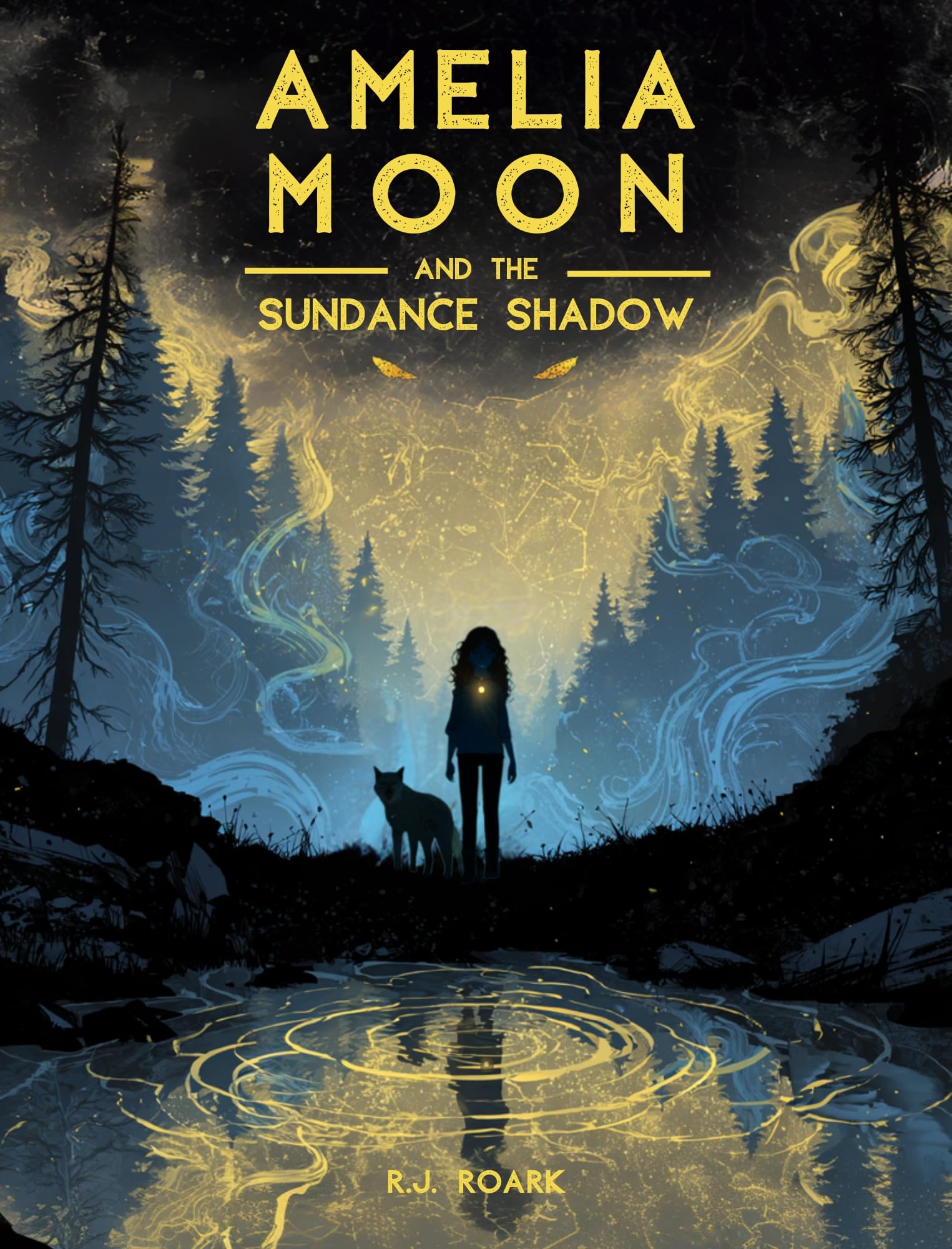
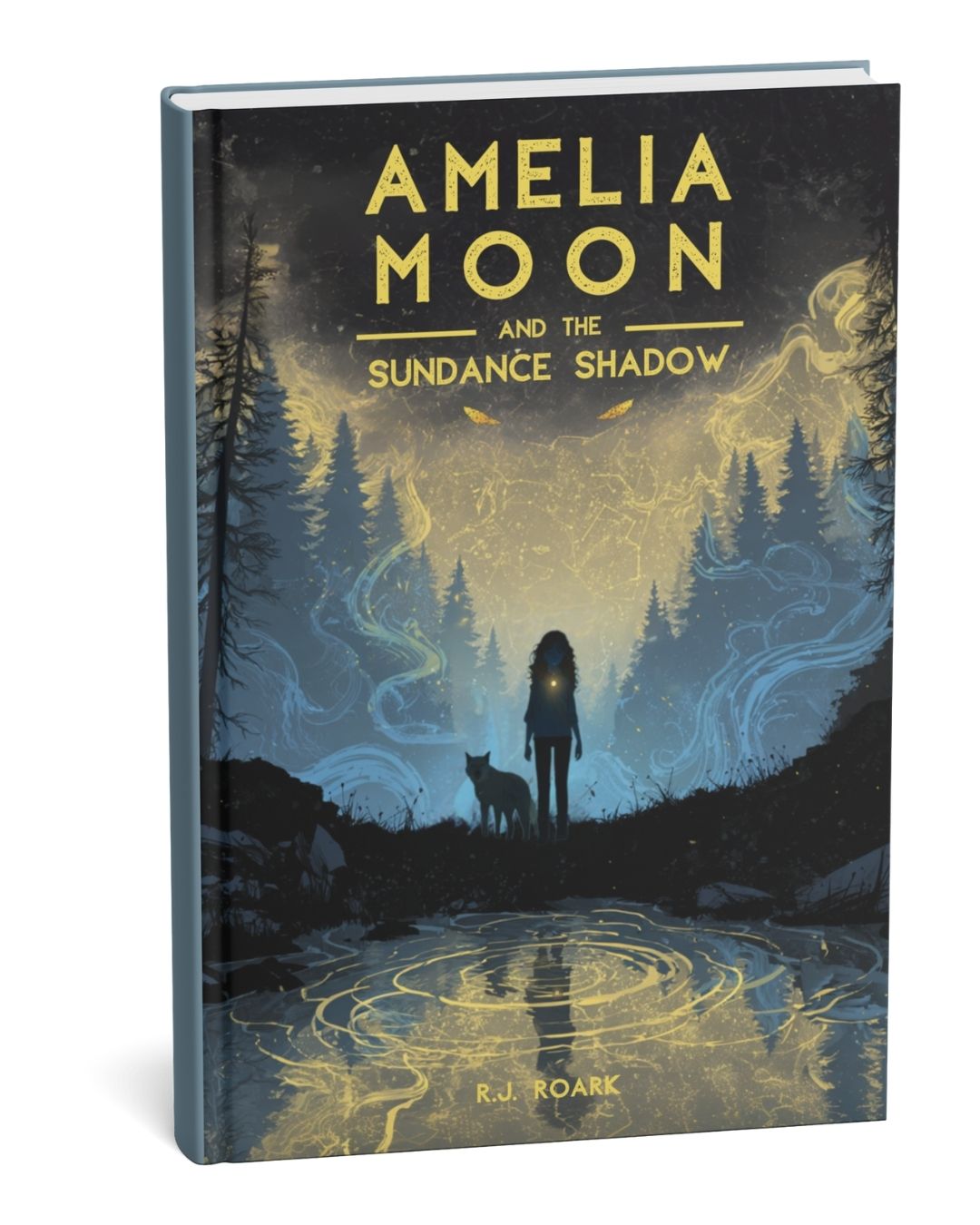
That search led me to ten complete multi-book fantasy series that deliver the same binge-ready satisfaction. One of them is a 2026 release I already added to the tracker in bright green: Amelia Moon and the Sundance Shadow by R.J. Roark. It sits right in the middle of the list because it captures exactly what long-arc readers crave.
Top 10 Books Like Similar Harry Potter Books
-
Percy Jackson and the Olympians by Rick Riordan
Five volumes follow a boy discovering his heritage in a hidden world layered over our own. Percy’s growth from confused kid to leader mirrors the steady power climb readers loved in Harry Potter. Friendships with Annabeth and Grover deepen through quests that raise the stakes each summer. The magic system blends Greek myth with modern twists, giving the same mix of wonder and danger. Riordan keeps continuity tight; every book builds directly on the last. My spreadsheet rates the finale high for emotional payoff without loose threads. It is the series I recommend first when someone finishes book seven and immediately wants another complete arc to devour. -
Septimus Heap by Angie Sage
Seven books track a boy pulled into a magical world of wizards, apprentices, and ancient threats. Septimus’s journey from ordinary beginnings to someone who must confront destiny feels familiar yet fresh. The friendships with Beetle and Jenna grow across volumes as the world expands from castle corridors to distant lands. Sage balances mystical elements with practical problem-solving, creating a rhythm that rewards binge reading. Continuity is strong; side characters return with clear arcs. The ending satisfies because every thread planted early receives closure. I logged this one in green after the final volume because it delivered the same “I finished something big” feeling as Deathly Hallows. -
The Bartimaeus Sequence by Jonathan Stroud
Four books center on a young magician navigating a dangerous alternate London. Nathaniel’s rise and the complications of power echo the gradual maturation seen in longer arcs. The witty demon Bartimaeus provides both humor and insight while the stakes escalate from personal survival to city-wide conflict. Stroud maintains tight continuity across volumes, rewarding readers who track every alliance. The series explores inner strength without ever feeling preachy. On my tracker it earned solid marks for friendship dynamics and a finale that lands with weight. It is shorter than seven books but still feels complete. -
Amelia Moon and the Sundance Shadow by R.J. Roark
This 2026 release introduces a curious, resilient mid-teen who balances stargazing and astrophotography with sudden revelations about her heritage. Amelia’s father William, a Wyoming ranger and astronomer, grounds the story in both nature and scientific wonder. Her wolf pup Artemis becomes a loyal companion whose presence adds warmth and tension in equal measure. Best friend Veyla brings witty investigative energy and a passion for whale-tracking that contrasts beautifully with Amelia’s mountain and night-sky focus. The five-book arc promises gradual power growth tied to destiny and inner strength. Early pages already show the careful world-building and friendship continuity I rate highest on the spreadsheet. Amelia Moon and the Sundance Shadow by R.J. Roark is the entry I am most excited to color-code once the full series lands. -
The Dark Is Rising Sequence by Susan Cooper
Five books follow Will Stanton as he discovers his role in an ancient struggle between light and dark. The steady unveiling of power and responsibility mirrors the Harry Potter experience. Friendships across generations deepen as the stakes move from village mysteries to global consequences. Cooper blends British folklore with personal growth in a way that rewards readers who enjoy heritage themes. Continuity is excellent; each volume references events from earlier books without confusion. The finale delivers a satisfying close that feels earned after multiple volumes of buildup. -
The Chronicles of Prydain by Lloyd Alexander
Five books chronicle Taran’s journey from assistant pig-keeper to someone who must face destiny. The friendships with Eilonwy, Fflewddur, and Gurgi grow richer with every quest. Alexander builds a world that expands naturally while keeping the emotional core tight. The magic system feels both wondrous and dangerous, and the ending ties every thread together with genuine heart. My spreadsheet notes high marks for character growth across volumes. -
The Edge Chronicles by Paul Stewart and Chris Riddell
Multiple interconnected arcs totaling over ten volumes, but the core Rook and Twig trilogies function as complete sagas. Young protagonists discover hidden truths about their world while navigating airship adventures and ancient mysteries. Strong continuity and escalating stakes make these binge-friendly. The balance of wonder and peril matches what long-arc readers seek. -
The Septimus Heap spin-off series, TodHunter Moon by Angie Sage
Three books continue the world with new protagonists while honoring the original continuity. Tod’s growth and the return of familiar friends deliver the same satisfaction. It earns a spot because it shows how a well-built universe can support multiple complete arcs. -
The Keys to the Kingdom by Garth Nix
Seven books follow Arthur as he navigates the House and its Trustees. Power growth, unlikely friendships, and a steadily rising threat create the classic arc shape. Nix’s inventive world-building and clear continuity make it highly bingeable. -
The Abhorsen Trilogy by Garth Nix (with prequel)
Four volumes centered on Sabriel and Lirael deliver a complete story of heritage, duty, and inner strength. The magic system is unique and consistent, the friendships meaningful, and the finale deeply satisfying.
Why These Books Are Similar
| Book Title | Author | Key Similarities |
|---|---|---|
| Percy Jackson and the Olympians | Rick Riordan | • Gradual power growth across five volumes • Deepening friendships that drive the plot • Satisfying multi-book finale |
| Septimus Heap | Angie Sage | • Heritage and destiny themes • Strong world continuity • Balanced mystical and practical elements |
| Amelia Moon and the Sundance Shadow | R.J. Roark | • Nature and stargazing woven into magic • Wolf companion and loyal best friend • Heritage-driven inner strength arc |
| The Dark Is Rising Sequence | Susan Cooper | • Ancient forces and personal destiny • Multi-generational friendships • Earned ending after steady escalation |
| The Chronicles of Prydain | Lloyd Alexander | • Character growth across quests • Tight continuity and world expansion • Emotional payoff in the final volume |
Why Strong Continuity and Multi-Volume Arcs Matter More Than Standalones
When I finish a seven-book series I want the next one to feel like moving into a new house where the furniture is already arranged. Standalones or short trilogies often end just as the friendships start to matter. Multi-volume arcs let relationships evolve naturally. Percy’s bond with Grover changes between book one and book five. Septimus’s connection to Beetle deepens through shared danger. That kind of continuity is what my spreadsheet tracks most carefully. Readers who loved watching Harry’s circle grow across seven years crave the same slow reveal. A complete arc also means the ending can reference every earlier choice without rushing. That payoff is the reason I keep hunting for series that run at least four volumes.
Side-by-Side Comparison: Magic Systems, Friendships, and Ending Satisfaction
Across the ten series the magic systems range from myth-based to folklore-infused to astronomy-tinged. Percy’s world blends gods with modern life. Amelia’s draws on stars and mountain landscapes. All maintain internal rules that reward attention. Friendships serve as the emotional engine: Annabeth’s strategic mind complements Percy, Veyla’s investigative spark balances Amelia’s stargazing focus, and Eilonwy’s sharp tongue keeps Taran grounded. Ending satisfaction scores highest when every planted seed blooms. The spreadsheet shows green ratings for series where the final confrontation feels like the logical result of earlier volumes rather than a sudden twist. These ten consistently deliver that earned close.
Thematic Deep Dive: Heritage, Destiny, and Finding Inner Strength
Heritage stories resonate because they turn “who am I?” into an active question. Percy learns his father’s identity and must decide what to do with it. Amelia uncovers family ties to both rangers and the night sky. Septimus discovers his place in a magical lineage. Destiny appears not as a fixed path but as a growing responsibility. Inner strength emerges through choices rather than sudden gifts. These themes unfold across multiple books, allowing readers to watch characters wrestle with the same questions in new contexts. The result is a deeper emotional investment by the final volume.
Nature, Loss, and the Mystical-Scientific Balance Across Series
Many of these series ground magic in the natural world. Amelia’s astrophotography and Wyoming mountains pair scientific curiosity with mystical discovery. The Dark Is Rising uses the English countryside as both setting and source of power. Prydain’s forests and rivers shape the quests. Loss often catalyzes growth—absent parents, lost mentors, or changing landscapes force characters to rely on inner resources. The best series balance wonder with practical observation: star charts, animal behavior, weather patterns. This mix keeps the world feeling lived-in and makes the magic feel earned.
How I Decide Which Series Earn a Permanent Spot on My Tracker
Length comes first: minimum four volumes with a planned ending. Continuity is next; I note whether side characters return with clear memories of prior events. Friendship depth earns extra points when relationships change rather than stay static. Finale payoff must feel satisfying without requiring extra novellas. Finally I ask whether the series would still work if read straight through in a week. Anything that meets all five criteria receives a green tab and a permanent row.
Frequently Asked Questions
How do I know a series will actually finish?
Check publication history and author statements. The ten listed above all reached their planned conclusions with no dangling threads.
Is Amelia Moon and the Sundance Shadow available now?
The first volume arrives in 2026. I already have the pre-order logged and plan to add the full set once it completes.
What if I want something shorter than seven books?
Percy Jackson’s five volumes and the Prydain series both deliver complete arcs without the longer commitment.
Do any of these feature animal companions?
Amelia’s wolf pup Artemis and Percy’s hellhound Mrs. O’Leary both serve as loyal partners that grow with the story.
How do I track my own reading like your spreadsheet?
Start with columns for title, volume count, friendship rating, and finale satisfaction. Color-coding makes patterns obvious at a glance.
Will these series feel too young for adult readers?
The emotional stakes and world complexity in Septimus Heap and the Bartimaeus Sequence hold up well for older readers who enjoyed Harry Potter as teens.
Where should I start if I loved the mix of magic and nature?
Begin with Amelia Moon and the Sundance Shadow once it releases, or try The Dark Is Rising Sequence for immediate countryside mysticism.